Sweg Motor
Sweg Motor
Sweg Motor
Engineered for efficiency, torque output capability, and sustained long-term operational lifetimes
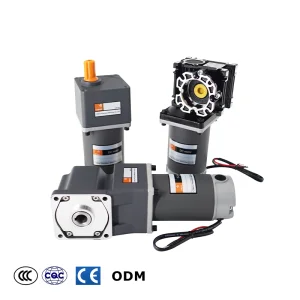
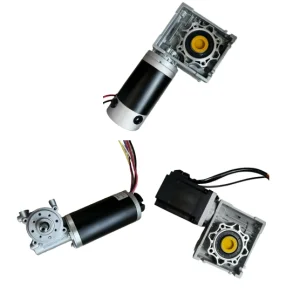
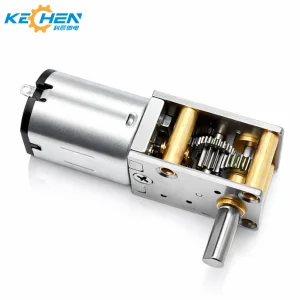
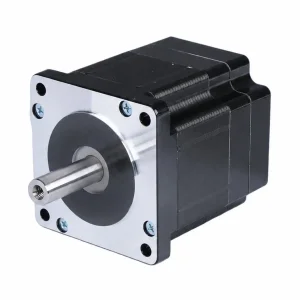
The technical architecture of modern electric gear drives for precise speed and torque control
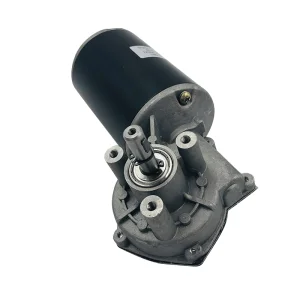
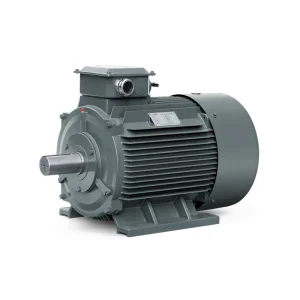
In modern industrial design, spur gear motors serve as the foundation of precise motion control, mechanical power transmission, and automated force application. By pairing an electric motor—whether a DC brushed/brushless type, an AC synchronous model, or a stepper variant—with a modular inline spur gear train, these drives deliver reliable speed reduction while magnifying torque. As a leading CE certified spur gear motor exporter, Zhejiang Sweg Motor Co., Ltd. builds assemblies that meet global regulatory, performance, and efficiency standards.
The primary advantage of a spur gear configuration lies in its simplicity, high efficiency, and linear power transmission. Unlike worm gear setups, which exhibit sliding friction losses that generate heat and reduce efficiency, spur gears use rolling contact. This allows spur gearboxes to achieve mechanical efficiency rates of 95% to 98% per stage. This makes them ideal for energy-conscious operations, low-voltage battery-powered devices, and applications where heat buildup must be minimized.
A deep dive into gear tooth profiles, material selection, and structural performance
Our gears feature a precision-cut involute profile with 20° pressure angles. This minimizes sliding friction, limits backlash, and maintains constant speed transmission even under varying loads.
Depending on the application, we use carbon steel, powder metallurgy, or high-tensile engineering plastics (POM) to balance mechanical strength, noise dampening, and cost.
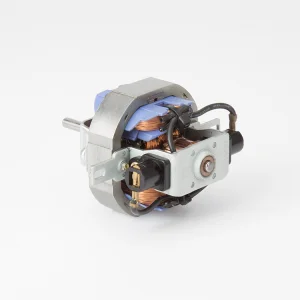
Equipped with custom windings and optimized magnetic field distributions, Sweg motors limit electromagnetic interference (EMI) while generating high starting torque.
In standard spur gearboxes, the tooth axes run parallel to the drive shaft. As the gears mesh, they engage along the entire width of the tooth face at once. While this straightforward interaction simplifies manufacturing, it requires precise structural alignment to prevent premature wear. To combat high radial stresses on the output shaft, Sweg Motor uses dual ball bearings or sintered bronze sleeve bushings. These components support the shaft, maintain gear mesh alignment, and extend the operating life of the assembly.
How engineering requirements translate into global purchasing specs
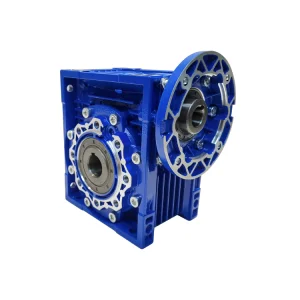
Modern smart homes require low-noise, reliable mechanical drives. Applications like motorized pool covers, automated sunshades, motorized gates, and smart window openers benefit from spur and worm gear combinations (such as our 63mm 80W right-angle DC worm gear motor). These drives provide the holding torque and low noise needed for smooth residential operation.
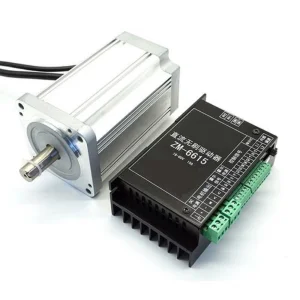
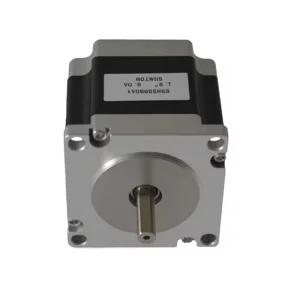
For high-load automated machinery, engineering teams require reliable stepping and brushless systems. Hybrid stepper motors (like our NEMA23 57mm hybrid motor) provide precise positioning and angular control for CNC routing, industrial engraving, textile embroidery, and 3D printing machinery. When paired with high-efficiency gearheads, they deliver precise positioning under constant loads.
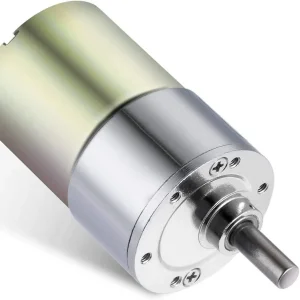
Commercial equipment requires durable component solutions. Sweg Motor provides compact motor options (such as our N20 micro worm gear motor and 37mm spur gear motor) for medical infusion pumps, automated vending mechanisms, cash handling machinery, and commercial hair dryer blowers. These compact units deliver reliable power within tight space constraints.
Large-scale marine and traction applications require rugged design characteristics. Systems like our 24V 2000W waterproof brushless DC motors are engineered for marine propulsion and heavy-duty traction. With IP-rated water protection and high-efficiency permanent magnet designs, these systems withstand harsh environments while delivering continuous torque output.
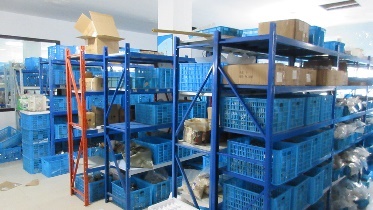
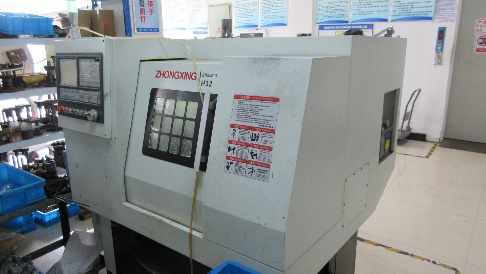
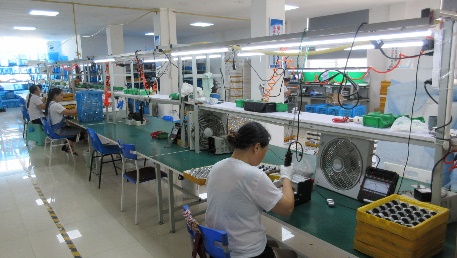
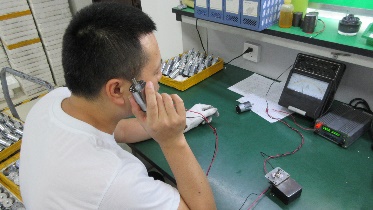
Over 10,000 square meters of production capacity, modern CNC tooling, and quality assurance systems
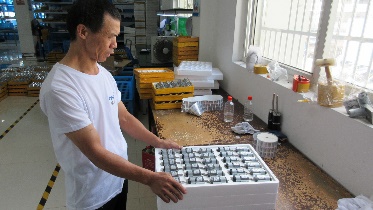
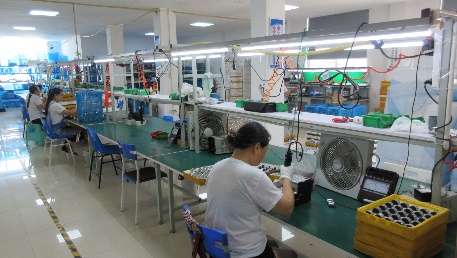
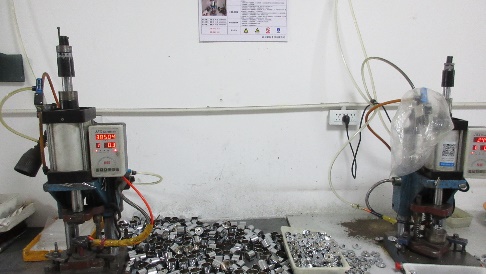
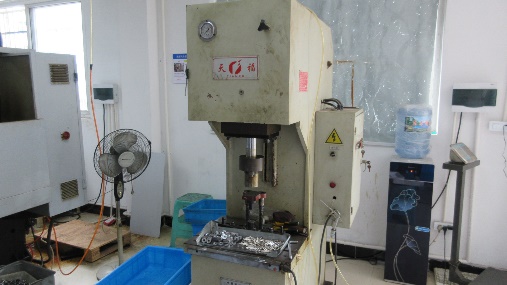
Located in Zhejiang, a center for mechanical engineering and motor manufacturing, Sweg Motor operates a modern facility designed for vertical integration. By handling raw material sourcing, stator winding, rotor balancing, CNC gear cutting, laser welding, and automated assembly in-house, we maintain complete control over our quality standards and manufacturing timelines.
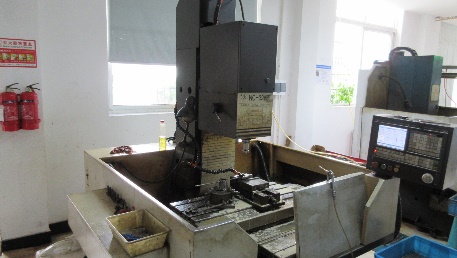
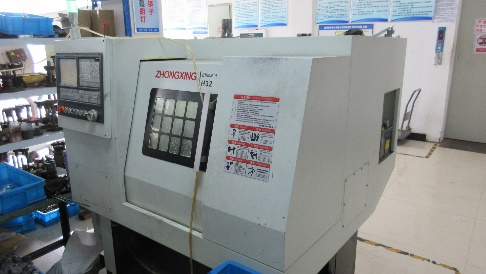
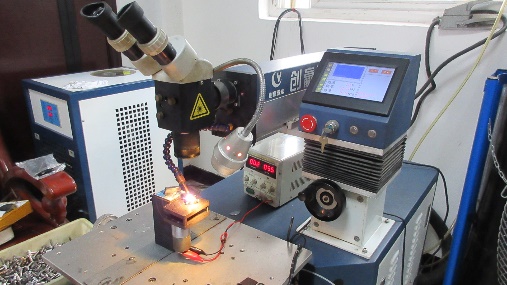
How we help global OEMs meet import regulations and technical requirements
Exporting electric motors worldwide requires compliance with varying regional standards. At Sweg Motor, we address these requirements during the initial design phase, ensuring smooth import and system integration for our partners.
Additionally, we assist OEMs with direct customs classification, HS Code provisioning (typically under 8501 for electric motors and 8505 for magnetic actuators), and customized export packaging. This ensures that shipments arrive intact, properly labeled, and ready for immediate customs clearance.
How efficiency mandates and smart integration are reshaping gear motor architecture
The gear motor industry is transitioning toward increased efficiency and integrated intelligence. Several key developments are driving this change:
1. Shift to Permanent Magnet Synchronous Motors (PMSM): High-power applications are replacing traditional induction motors with PMSM technology (like our 30KW IE3 Synchronous AC motor). The high flux density of permanent magnet materials minimizes rotor losses, achieving IE3 and IE4 efficiency standards to reduce energy consumption.
2. Brushless DC (BLDC) Integration: Applications require longer lifetimes and lower electrical noise. Integrating BLDC motors with spur and worm gearboxes removes carbon brushes, eliminating mechanical wear and sparking. This design is ideal for medical devices, aerospace actuators, and commercial HVAC systems.
3. Advanced Materials and Tooth Form Engineering: Manufacturers are combining steel primary pinions with engineered plastic or composite output gears. This hybrid design balances high torque handling at the motor pinion with quiet operation at the final drive stages.
Answers to key engineering, compliance, and supply chain questions
Explore our full line of stepper, AC synchronous, and customizable DC gear motors