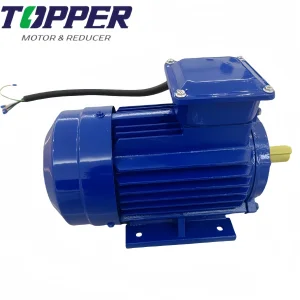
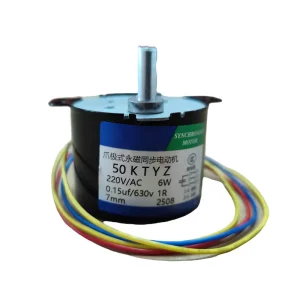
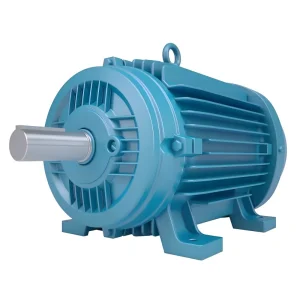
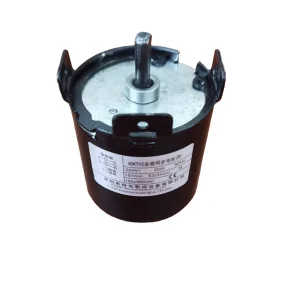
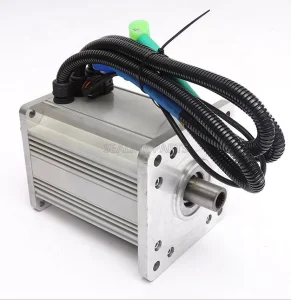
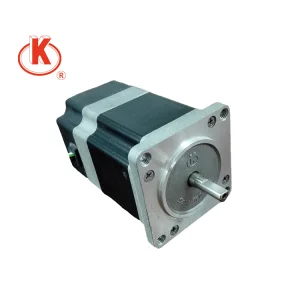
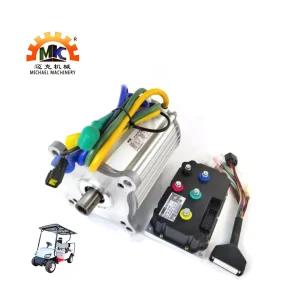
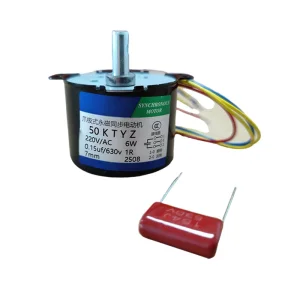
Higher efficiency: After embedding permanent magnet materials on the rotor, the rotor and stator magnetic fields operate synchronously during normal operation, with no induced current in the rotor winding, no rotor resistance and hysteresis losses, improving the efficiency of the motor.
Key Advantages of Permanent Magnet Motors
◈
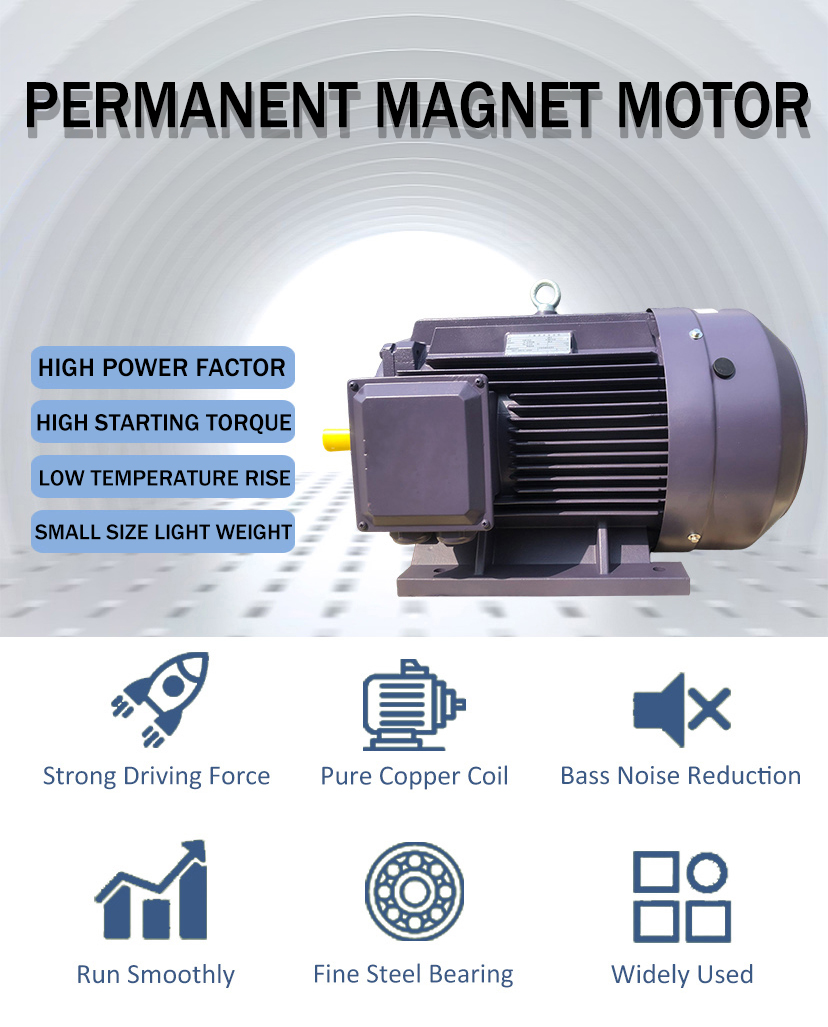
High power factor: Optimized energy utilization for industrial applications.
◈
High starting torque: Provides robust performance during the initial operation phase.
◈
Stable Energy Index: The efficiency and power factor decrease very little. When the motor has only 20% load, its force energy index is still above 80% of full load.
◈
Low Temperature Rise: No resistance loss in the rotor winding and minimal reactive current in the stator winding.
◈
Compact Design: Small size, light weight, and low consumables. Volume and weight can be reduced by about 30% compared to standard motors.
◈
Strong Overload Resistance: The armature has a small reaction, ensuring stability under heavy conditions.
Frequently Asked Questions
Why are permanent magnet motors more efficient than induction motors?
By using permanent magnets in the rotor, the motor eliminates rotor resistance and hysteresis losses. The rotor and stator fields operate synchronously, meaning no induced current is needed in the rotor winding, significantly boosting efficiency.
How does the motor perform under partial load?
Unlike Y series motors where efficiency drops significantly at lower loads, permanent magnet synchronous motors (PMSM) maintain high efficiency. Even at 20% load, the energy index remains above 80% of the full load value.
What is the weight and size advantage of these motors?
The compact design of a permanent magnet motor allows for a reduction of approximately 30% in volume, weight, and consumables compared to standard motors of the same capacity.
Are these motors suitable for low-temperature requirements?
Yes. Because there is no resistance loss in the rotor and almost no reactive current in the stator, the motor generates much less heat, resulting in a significantly lower temperature rise during operation.
Can the frequency be customized for specific applications?
Absolutely. While the standard rated frequency typically ranges from 50Hz to 200Hz, it can be adjusted according to specific customer requirements to suit different industrial needs.
What protection rating do these motors typically have?
The standard production feature includes an IP55 rating, which offers high protection against dust and water, but other protection levels can be provided upon customer request.
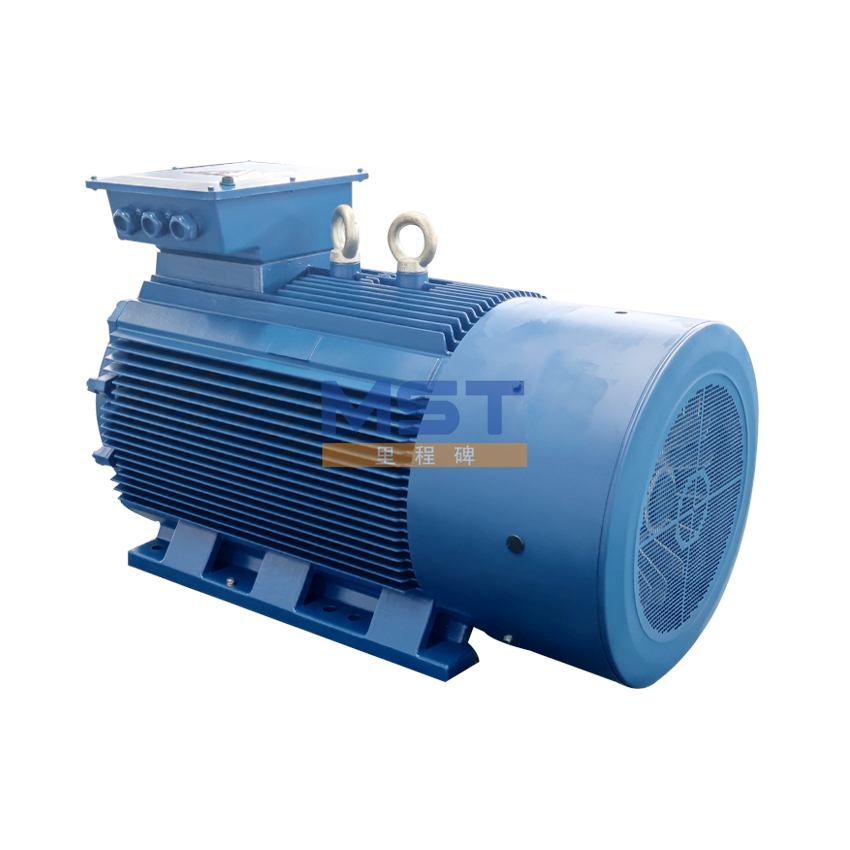
 Sweg Motor