Sweg Motor
When exploring how to waterproof a DC gear motor for outdoor use, you face several clear challenges. Outdoor environments can be harsh. Rain, dust, and moisture can significantly harm the motor. Understanding the right techniques to protect your motor is essential for longevity and performance.
Proper sealing and coating are critical. Many choose silicone sealants or conformal coatings. These materials are effective yet require careful application. Mistakes may lead to inadequate protection. Testing methods are vital for ensuring water resistance. Consider using submersion tests to assess your motor's durability.
While advancements in technology provide solutions, errors can occur. Not all methods suit every motor design. Tailor your approach based on the specific requirements of your gear motor. This adaptation makes your waterproofing strategy more effective. Ultimately, learning how to waterproof a DC gear motor for outdoor use involves both practical application and reflective thinking.
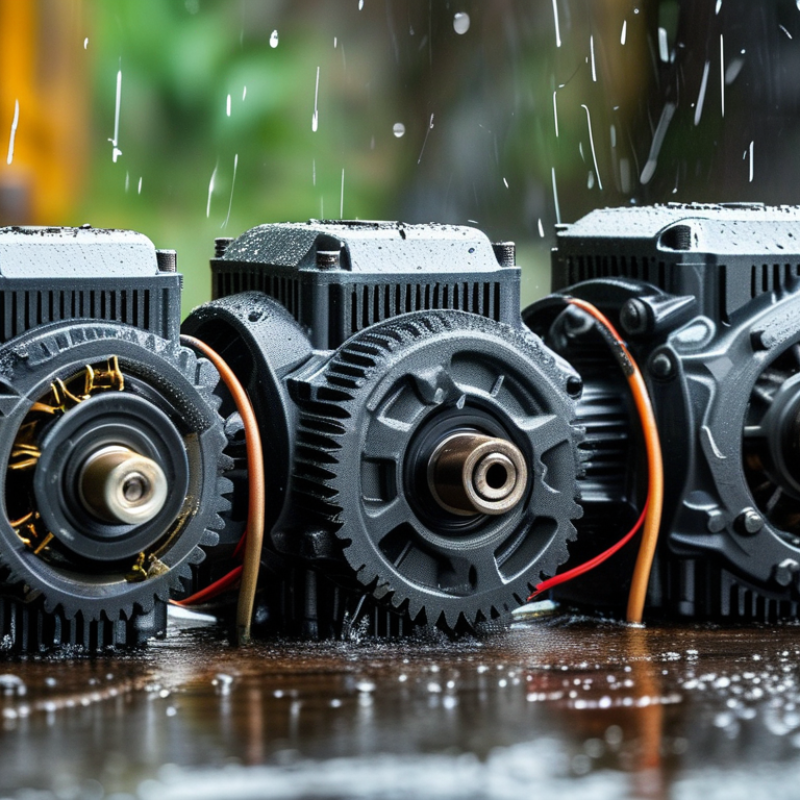
When considering the waterproofing of DC gear motors for outdoor applications, several factors come into play. The environment where the motor will operate is crucial. Exposure to rain, humidity, and dust can significantly affect motor performance. The level of protection needed can depend on specific conditions. For example, a motor located near water may require more robust waterproofing than one in a sheltered area.
Another key consideration is the design of the motor itself. Motors with open designs tend to be more vulnerable to moisture. Sealed motors, with proper gaskets and housing, are better protected. However, achieving a perfect seal can be challenging. Sometimes, manufacturers may overlook small gaps that allow water ingress. Regular maintenance and inspection are essential to identify potential weaknesses in waterproofing.
Finally, the choice of materials affects durability and performance. Corrosion-resistant materials are vital, especially in harsh climates. However, not all materials perform well under all conditions. Understanding how different materials react to moisture is critical. It’s important to weigh the pros and cons of various approaches. Ultimately, testing and monitoring can lead to more reliable performance in outdoor environments.
When using DC gear motors outdoors, waterproofing them is crucial. Common waterproofing methods include applying a conformal coating. This thin layer protects the motor's electronic components. It prevents moisture and dust from causing damage. However, applying it evenly can be challenging. Over-spraying may create clogs in critical areas.
Another useful technique is using an enclosure. Enclosures can shield motors from the elements. They should be made from durable materials. Ensure they have gaskets to prevent leaks. However, if not designed properly, the motor could overheat. Good ventilation is key to balancing protection and function.
Using silicone sealant is a common choice too. It's effective for sealing gaps and can harden to create a waterproof barrier. Nevertheless, applying too much can be messy and lead to unintentional blockages. Regular inspection is necessary. Taking these steps will enhance the reliability and lifespan of your DC gear motor in outdoor environments.
When considering outdoor applications for DC gear motors, understanding the IP rating is crucial. These ratings indicate a motor's protection against dust and moisture.
A motor rated IP65 can withstand dust and low-pressure water jets. This level offers good protection for many outdoor environments. However, it's not foolproof.
Factors like exposure duration and environmental conditions can impact performance.
Evaluating IP ratings involves more than just numbers. Think about where the motor will be located. Will it face direct rain, or will it be sheltered? Even with a high IP rating, water intrusion can happen.
Inspect the seals and gaskets; they are often weak points. Maintenance is key, even for waterproof motors. Regular checks can prevent failures over time.
Waterproofing a DC gear motor doesn’t end with choosing a high IP rating. Consider additional protective coatings or enclosures.
A slight budget increase can lead to significant long-term savings. Always test your setup in real conditions.
This real-world application will help uncover any flaws. It's a vital step before full deployment in outdoor settings.
When selecting materials for waterproofing DC gear motors, anti-corrosion coatings are crucial. Using durable coatings can extend the life of your motor. Factors like environmental exposure and mechanical wear should guide your choice. Stainless steel is often recommended due to its resistance to rust. However, it can be expensive and may not always be the best option.
Polymeric coatings, like epoxy or polyurethane, provide effective barriers against moisture. They are often cheaper and lighter than metal alternatives. These coatings can be applied in thin layers, ensuring a seamless finish. Yet, proper surface preparation is vital. If the coating does not adhere well, it can lead to peeling and eventual corrosion. Regular checks are necessary, as localized damage might go unnoticed and worsen over time.
In addition to coatings, sealants play a role in waterproofing. Silicone-based sealants offer flexibility and durability. However, they can degrade under UV light. Testing different materials might reveal unexpected weaknesses. It's crucial to document the performance of various options over time. Continuous learning from each project helps refine your approach to outdoor motor applications.
| Coating Material | Corrosion Resistance (Rating) | Temperature Range (°C) | Application Method | Drying Time |
|---|---|---|---|---|
| Epoxy Coating | Excellent | -40 to 120 | Spray, Brush, Dip | 24 hours |
| Polyurethane Coating | Good | -30 to 80 | Spray, Brush | 12 hours |
| ZnCo (Zinc Cobalt) Coating | Very Good | -20 to 150 | Electroplating | 1 hour |
| Silicone Coating | Fair | -50 to 200 | Brush, Spray | 6 hours |
| Acrylic Coating | Moderate | -10 to 70 | Spray | 2 hours |
Maintaining waterproofed DC gear motors is essential for outdoor reliability. Regular upkeep can prevent moisture damage and enhance performance. One vital step is to inspect seals and gaskets frequently. Look for cracks or wear that could allow water to seep in. Replacing worn-out parts promptly can help keep motors functioning smoothly.
Cleaning is another important routine task. Dirt and debris can accumulate on the motor surface, potentially causing overheating. Use a soft brush or cloth to remove buildup. Ensure the motor area is free from obstructions. Additionally, check the wiring and connections for corrosion. Corrosion can undermine waterproofing efforts, so treat any affected areas as soon as possible.
Another consideration is the lubrication of moving parts. While waterproofing protects against moisture, it doesn’t eliminate the need for lubrication. Use appropriate lubricants that won’t wash away easily. Apply just enough to keep components operating smoothly. However, avoid over-lubricating, as this can attract dirt and create other issues. Regular checks and adjustments will keep your motors running efficiently outdoors.
: IP ratings show protection against dust and moisture. For instance, an IP65 rating means resistance to dust and low-pressure water jets.
Yes, exposure duration and environmental conditions can affect performance. Seals and gaskets are often weak points to monitor.
Regular maintenance prevents failures over time. Inspections of seals and gaskets can reveal issues before they worsen.
Consider using protective coatings or enclosures. A small budget increase can lead to significant long-term benefits.
Anti-corrosion coatings, like epoxy or polyurethane, are effective. Stainless steel is durable but can be costly, so evaluate options.
Proper surface preparation is crucial. If not done well, coatings can peel and lead to corrosion over time.
Regularly inspect seals, clean the motor, and check wiring for corrosion. Each task is vital for long-term reliability.
Yes, lubrication is important. Use appropriate lubricants and avoid over-lubrication, as it can attract dirt and cause issues.
Testing different materials can help reveal vulnerabilities. Documenting performance over time is crucial for improvement.
When considering how to waterproof a DC gear motor for outdoor use, several factors come into play, such as environmental conditions and the specific application needs. Understanding these influences helps determine the appropriate waterproofing methods, which can include the use of gaskets, sealants, and conformal coatings.
Evaluating IP ratings is crucial, as these ratings inform users about the level of protection against dust and moisture. Material selection also plays a vital role; using corrosion-resistant coatings can significantly enhance the motor's durability in harsh conditions. Finally, routine maintenance is essential to ensure the longevity of waterproofed motors, helping to avoid costly repairs and replacements in the future.
