Sweg Motor Sweg Motor

What Are the Top Causes of DC Motor Armature Failure?

Time:2026-09-25 Author:Isabella
0%

A DC motor armature converts electrical energy into rotation, carrying current through windings that face heat, vibration, and electrical stress. When the armature fails, a motor may lose torque, run unevenly, overheat, or stop without warning. So, what are the main causes of dc motor armature failure? The answer is rarely one dramatic event. Several small problems can build up before the damage becomes obvious. Heat matters.

Sustained overload can push winding temperatures beyond their normal range, weakening insulation over time. Poor ventilation, frequent starts, or an unsuitable power supply may add further stress. Contamination also matters: dust, oil, or moisture can encourage tracking, corrosion, and short circuits between turns. Worn brushes or a damaged commutator may create sparking and uneven current flow. Mechanical problems, including imbalance or bearing wear, can increase vibration and strain connections. Details matter.

Darkened windings, a burnt odor, unusual brush sparking, and inconsistent resistance readings can help guide an inspection. But a burnt smell alone proves little; it is easy to mistake a symptom for the root cause. A reliable diagnosis compares electrical checks with the motor’s operating history, load, and maintenance records. Inspection should follow the manufacturer’s procedures, with the motor safely isolated by qualified personnel. This guide examines common failure causes, the clues they leave, and practical ways to reduce repeat damage. It also recognizes an important limitation: similar symptoms can have different origins, so assumptions deserve a second look.
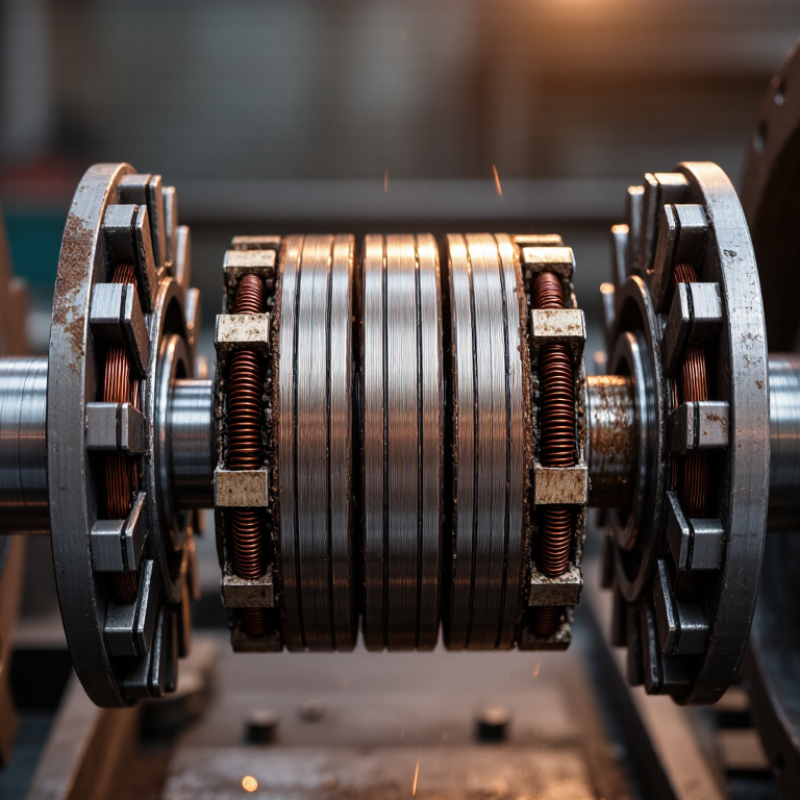
What Are the Top Causes of DC Motor Armature Failure?

Electrical Overload and Excessive Armature Current

Electrical overload is a direct threat to a DC motor armature. When a driven machine binds or carries too much load, armature current rises. Copper losses increase with the square of current, so a modest current increase can create much greater heat. Quickly. Heat builds inside the winding slots, where airflow may be limited. Insulation can become brittle, soldered connections can loosen, and the commutator may show darkened bars or pitting. These marks matter, but they do not prove overload by themselves.

The U.S. Department of Energy’s 2014 Improving Motor and Drive System Performance sourcebook estimates that motor systems account for about 70% of industrial electricity use. That figure is not an armature-failure rate; it shows why careful motor loading matters across industry. In practice, compare measured current with the motor’s nameplate rating under its actual load. A sustained excess deserves investigation, even if the motor still runs. Check for jammed equipment, frequent starts, a failing drive, and blocked cooling paths. Do not assume the winding is the only culprit. I have seen symptoms invite that shortcut, and it can miss the load problem that caused the damage. Keep a record of current, temperature, and operating conditions; one isolated reading may tell only part of the story.

Insulation Failure and Shorted Windings

Insulation failure often begins quietly. Heat, moisture, conductive dust, vibration, or repeated overloading can weaken the coating around armature conductors. Once insulation cracks, adjacent turns may touch and create a short circuit. The motor may then draw uneven current, run hot, lose torque, or trip its protection. Small clues matter. A darkened commutator segment, a burnt smell, or unusual sparking can point to trouble, but none proves a winding fault alone.

Shorted turns can be difficult to confirm by sight. A technician may compare winding resistance, test insulation resistance to ground, and use suitable armature test equipment. Readings should be interpreted against the motor’s design and test conditions; a single measurement can mislead.

Not always. A motor that runs hot may also have poor ventilation, worn bearings, or an incorrect load. I would inspect those possibilities before condemning the armature. That distinction matters, because replacing a sound armature will not fix the condition that caused overheating.

If insulation damage is confirmed, continued operation can spread the fault and damage the commutator. Record the symptoms and test results, then repair or replace the winding using procedures suited to that motor.

Bearing Wear, Shaft Misalignment, and Vibration

What Are the Top Causes of DC Motor Armature Failure?

Bearing wear, shaft misalignment, and vibration can gradually damage a DC motor armature. Worn bearings let the shaft move more than it should. That movement can narrow the air gap and cause the rotor to rub against surrounding parts. You may notice a rough hum, excess heat, or dark dust near the bearing housing. The damage is rarely instant.

Misalignment between the motor shaft and its driven load adds uneven force to the rotating assembly. Over time, that force can fatigue the shaft, stress armature windings, and disturb brush contact with the commutator. Vibration makes these problems harder to separate. A loose base, an unbalanced load, or a failing bearing may produce similar symptoms. One reading is not enough; inspect the full drive system. Diagnosis can be messy, and a vibration reading alone may point in the wrong direction.

Tips: Check bearing play, shaft alignment, mounting bolts, and vibration trends during routine inspections. Compare readings over time, not just against a single measurement. If rubbing or rapid heating appears, stop the motor and have a qualified technician inspect it before restarting.

Overheating from Poor Cooling or Excessive Duty

Overheating is a common path to DC motor armature damage, especially when cooling airflow is restricted. Dust packed into vents, a blocked filter, or a failing fan can trap heat around the windings. Heat builds fast. Insulation may harden and crack, while the commutator can discolor or develop uneven wear. These signs deserve inspection, but they do not prove overheating was the only cause.

Excessive duty adds heat even when the cooling system appears clean. Repeated starts, frequent reversals, heavy loads, or long operation beyond the motor’s rated duty can keep current and temperature elevated. Compare measured current with the motor’s rating, and note how often it starts and stops. Check airflow at the actual installation point; a clear vent does little if a nearby wall blocks exhaust. Small details matter.

A single infrared temperature reading can mislead because load and measurement location affect the result. Record temperatures at consistent points and operating conditions, then look for changes over time. Also inspect fan operation, ventilation passages, and the armature for darkened insulation or unusual commutator marks. Diagnosis is not always tidy: a damaged armature may reflect heat, overload, or both. Avoid assuming that replacing a fan alone will solve the problem.

Contamination, Corrosion, and Brush-Related Damage

What Are the Top Causes of DC Motor Armature Failure?
Contamination, Corrosion, and Brush-Related Damage

Dust, oil mist, and metal particles can settle inside a DC motor and interfere with the armature. Conductive debris may bridge insulation gaps, while packed dust can trap heat around the windings. Over time, damaged insulation can lead to shorted coils or uneven heating. The exact effect depends on the motor’s environment, so visible dirt alone does not confirm armature damage.

Corrosion is another risk, especially where moisture reaches the commutator or winding connections. Pitted commutator bars can disrupt brush contact and create sparking. Worn, cracked, or incorrectly seated brushes may add uneven pressure, causing grooves and localized heat. It is tempting to blame the armature right away, but brush condition and ventilation deserve inspection too. Diagnosis can be imperfect without measurements.

Tips: With power isolated, check for dust buildup, moisture marks, brush wear, and rough commutator surfaces. Record unusual smells, noise, or sparking before cleaning. Use suitable electrical test equipment to check winding continuity and insulation; follow the motor’s service instructions. Don’t scrape commutator surfaces casually. A small mark can matter.

Top Causes of DC Motor Armature Failure

Contamination, corrosion, and brush-related damage can all contribute to armature problems. The scores shown are an illustrative inspection-priority index from 1 (lower) to 5 (higher), not measured failure rates; actual causes depend on motor design and operating conditions.

FAQS

What can cause a DC motor armature to fail?

Excessive current, overheating, contamination, corrosion, and brush problems can all contribute. Sometimes several causes overlap.

How can I tell if the motor is overloaded?

Compare measured current with the motor’s nameplate rating under its actual load. Check for jammed equipment, frequent starts, and drive problems. One reading may not tell the whole story.

Why does excess current damage the armature?

Higher current creates sharply increased heat in the windings. Insulation may become brittle, and connections can loosen. Heat builds fast.

Can poor cooling overheat an armature?

Yes. Dust-filled vents, blocked airflow, or a failing fan can trap heat. A nearby wall may block exhaust even when the vent looks clear.

Do dark commutator bars prove the armature is damaged?

No. Dark marks or pitting deserve inspection, but they do not prove one specific cause. Load, cooling, and brush condition also matter.

How can dust or moisture affect a DC motor?

Conductive particles may bridge insulation gaps, while dust can trap heat. Moisture may corrode commutator bars or winding connections. Visible dirt alone is not a diagnosis.

What should I check about the brushes?

Look for worn, cracked, or poorly seated brushes. Uneven pressure can cause grooves, sparking, and localized heat. Brush trouble can resemble armature damage.

What is a useful way to track overheating?

Record temperature at consistent locations and operating conditions. Note current, starts, stops, and unusual smells or noise. Measurements can still be imperfect.

Conclusion

Understanding what are the main causes of dc motor armature failure can help prevent unexpected breakdowns and extend motor life. Common causes include electrical overload, which forces excessive current through the armature, and insulation deterioration, which can lead to shorted windings. Mechanical problems also play a major role: worn bearings, shaft misalignment, and persistent vibration place extra stress on the armature and its connections.

Excessive operating duty or inadequate cooling can cause overheating, weakening insulation and damaging winding materials over time. Dust, moisture, corrosive substances, and other contaminants may further harm internal components, while worn or poorly maintained brushes can create uneven contact, sparking, and additional heat. Regular inspection, appropriate loading, effective cooling, and timely maintenance can reduce these risks and support reliable operation.

Isabella

Isabella

Isabella is a dedicated marketing professional with a sharp focus on driving brand growth and engagement through strategic content creation. With an extensive background in digital marketing, she combines her passion for storytelling with her keen understanding of industry trends to deliver......