Sweg Motor Sweg Motor

Why Do Synchronous Motors Need Starters for Optimal Performance?

Time:2026-07-17 Author:Aria
0%

Synchronous motors are critical in various industrial applications. Understanding their operation and performance is vital. A key question arises: why do synchronous motors need a starter?

These motors have unique characteristics. Unlike induction motors, they require help starting. Synchronous motors operate at synchronous speed. This means they must reach a specific speed to connect to the power grid. Without a starter, achieving this speed can be challenging. The use of starters ensures smooth acceleration. It prevents excessive current draw during startup.

Moreover, different types of starters, like soft starters, aid in controlling the motor's initial current. This technique enhances reliability and protects the system. However, choosing the right starter is crucial. The wrong choice can lead to inefficiencies or damage. Understanding these requirements highlights the importance of starters in maximizing synchronous motor performance. This reflection impacts operational efficiency significantly.
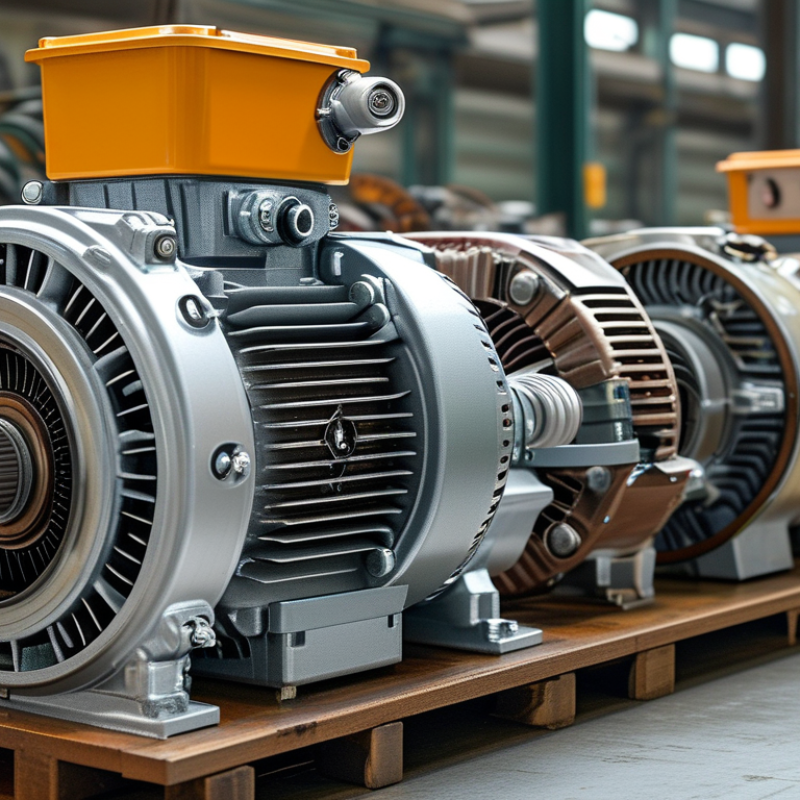
Why Do Synchronous Motors Need Starters for Optimal Performance?

Importance of Starters in Synchronous Motors for Performance Optimization

Synchronous motors require starters for enhanced performance due to their unique operational characteristics. These motors run at a constant speed, synchronized with the power supply frequency. When starting, they draw a significant amount of current. This can hinder performance and stress electrical systems. Starters mitigate these issues by controlling the initial current and voltage.

Utilizing starters helps ensure a smooth motor start. They provide gradual acceleration, preventing abrupt torque surges. An optimized start reduces mechanical wear and enhances reliability. Experience shows that improper starting can lead to overheating or even motor damage. While some may overlook this, the impact is undeniable.

Understanding the need for starters is crucial for engineers and operators. They must consider motor specs and application demands. Each scenario might require a different type of starter, adding complexity. It's essential to reflect on these choices. Not all starters perform equally well under varying conditions. Thus, careful evaluation provides the best route to performance optimization.

Why Do Synchronous Motors Need Starters for Optimal Performance? - Importance of Starters in Synchronous Motors for Performance Optimization

Aspect Description Importance
Starting Torque Synchronous motors require a significant initial torque to overcome inertia. Essential for smooth startup and operation.
Voltage Control Starters help regulate voltage during startup, preventing voltage dips. Prevents damage to motor windings and enhances reliability.
Phase Synchronization Starters ensure proper phase alignment with the grid. Critical for stable operation and efficiency.
Soft Starting Starters gradually increase motor speed rather than a sudden surge. Reduces mechanical stress and enhances lifespan.
Overload Protection Many starters include features to protect against overload conditions. Protects against failure and unsafe conditions.
Control Flexibility Starters offer different options for control during startup. Enhances adaptability to various applications and requires.

Understanding Synchronous Motor Operation and the Need for Starters

Synchronous motors are essential in various industrial applications due to their efficiency and precision. Understanding their operation reveals why these motors require dedicated starters. Unlike induction motors, synchronous motors must reach synchronous speed before they can operate effectively. This process often demands high inrush currents, which can hinder performance and lead to potential equipment damage if not managed properly.

Starters play a key role in regulating these inrush currents. They help manage the starting torque and allow gradual speed increase. According to a report from the International Electrotechnical Commission (IEC), improper starting methods can reduce the lifespan of synchronous motors significantly. This could equate to costly repairs and unplanned downtime.

**Tip:** Always monitor the starting current and apply soft starters where possible. This will enhance motor longevity while maintaining optimal performance.

Additionally, not all applications require the same starting method. Factors such as load type and operating conditions can influence the choice of starter. For instance, a synchronous motor under high load will need a different approach than one under minimal load. Understanding these nuances is critical for efficient operation.

**Tip:** Regularly assess your system's needs and consult industry literature or experts. Staying updated on best practices can save time and resources in the long run.

Performance Analysis of Synchronous Motors with and without Starters

Impact of Starting Torque on Synchronous Motor Efficiency and Longevity

Synchronous motors require starters to achieve optimal performance. One critical aspect is starting torque. The initial torque determines how effectively the motor can reach its operational speed. Without adequate starting torque, the motor may struggle, leading to inefficient operation.

Improper startup can negatively impact efficiency and longevity. If a motor cannot start efficiently, it may draw excessive current. This current spike can cause overheating. Over time, frequent overheating can damage insulation and shorten the motor’s lifespan. Observing the effects of inadequate starting torque can lead to reflections on design choices.

Using starters can mitigate these issues. They ensure that the motor receives the necessary torque to begin operation smoothly. This smooth transition protects the motor and enhances performance. Engineers must prioritize starting torque in their designs. Failing to do so may lead to suboptimal motor efficiency and premature wear. Optimizing these factors is essential for long-term reliability.

Types of Starters Used in Synchronous Motors and Their Benefits

Synchronous motors require starters to optimize performance, particularly during startup. There are several types of starters, each with distinct advantages. The autotransformer starter is one common type. It reduces voltage, allowing the motor to start smoothly. This method minimizes inrush current, often cutting it down by up to 50%. The reduced stress on the motor enhances its longevity and reliability.

Another popular option is the star-delta starter. This configuration initially connects the motor in star formation, which reduces the voltage across the motor windings. Once the motor reaches a certain speed, it switches to delta mode for full performance. According to industry studies, this method can lead to energy savings of around 30% during startup phases. This energy efficiency translates into lower operational costs and less strain on connected electrical equipment.

Variable frequency drives (VFDs) offer another approach to starting synchronous motors. They supply adjustable frequency and voltage, enabling precise control over motor speed. Reports indicate that VFDs can improve energy efficiency by up to 40% in specific applications. However, the complexity of VFDs can lead to installation and maintenance challenges. These factors must be carefully weighed against their long-term benefits. Proper selection of a starter is essential for optimizing the performance and lifespan of synchronous motors.

Industry Standards for Synchronous Motor Performance and Starter Usage

Synchronous motors have specific performance standards that dictate their starting methods. These motors need a starter to safely initiate operation. This helps manage high inrush currents that can damage components or disrupt operation. Typically, soft starters or variable frequency drives are used in this context. Such devices limit the current while slowly ramping up the motor speed.

According to industry standards, ensuring the correct starter is used is vital. Improper starting methods can impair efficiency. It may even lead to mechanical stress or electrical faults. It's crucial for engineers to evaluate the application's requirements before selecting a starter. In certain cases, motors may experience issues during startup, leading to unnecessary repairs and downtime. This highlights the importance of testing and understanding the motor's behavior under various conditions.

The choice of starter also impacts the motor's lifespan. Regular maintenance and performance reviews help address potential issues early. Over time, understanding the standards can guide better decision-making. Ultimately, consistency in performance largely depends on a careful approach to motor startup and operation.

FAQS

: Why are starters necessary for synchronous motors?

: Starters enhance performance by controlling the initial current and voltage during motor startup.

How do starters impact motor performance?

They provide gradual acceleration, preventing abrupt torque surges and reducing mechanical wear.

What can happen if synchronous motors start improperly?

Improper starting can cause overheating and damage, leading to costly repairs or downtime.

What factors should be considered when choosing a starter?

Motor specifications, application demands, load type, and operating conditions all influence starter choice.

What is an autotransformer starter?

It reduces voltage to allow a smooth motor start, cutting inrush current by up to 50%.

How does a star-delta starter work?

It starts the motor in star formation, reducing voltage, and switches to delta for full performance at speed.

What are variable frequency drives (VFDs)?

VFDs provide adjustable frequency and voltage for precise motor speed control, improving energy efficiency significantly.

What is a potential downside of using VFDs?

Their complexity can result in installation and maintenance challenges that need careful consideration.

How can the choice of starter affect motor longevity?

Proper selection minimizes stress on the motor, leading to enhanced reliability and lifespan.

How often should system needs be reassessed?

Regular assessment is important to ensure the chosen starter remains suitable for current operational demands.

Conclusion

Synchronous motors, known for their efficiency and reliability, require starters for optimal performance due to their unique operational characteristics. The starting process of these motors often demands a higher torque than is typically produced, necessitating the use of a starter to mitigate any initial mechanical stress. This is particularly crucial when considering why do synchronous motors need a starter; without it, the motors may struggle to reach their rated speed, impacting both efficiency and longevity.

Various types of starters, such as direct-on-line or soft starters, offer benefits like reducing electrical spikes and prolonging the lifespan of the motor. Adhering to industry standards is also vital, ensuring that motor performance aligns with operational needs. Overall, the implementation of starters is a fundamental aspect in the maintenance of synchronous motor efficiency and durability, ultimately supporting their effectiveness in industrial applications.

Aria

Aria

Aria is a dedicated marketing professional with a deep passion for innovative strategies and a keen understanding of our company's product offerings. With a wealth of experience in the industry, Aria excels at crafting engaging content that highlights the unique features and benefits of our......