Sweg Motor
Synchronous motors are widely used in industries for their efficiency and reliability. However, one common issue that concerns operators is, "why is my synchronous motor drawing too much current?" Increased current draw can lead to overheating and system inefficiency. According to a report by the IEEE, over 25% of motor-related problems stem from electrical issues, highlighting the importance of monitoring current levels.
Several factors can contribute to excessive current draw. For instance, an imbalance in the supply voltage may cause motors to work harder. According to a research study by the Electric Power Research Institute, fluctuations in voltage supply can increase current by up to 30%. Additionally, mechanical issues like bearing failures or damaged windings can exacerbate the problem. It is crucial to diagnose these factors accurately and take corrective action to prevent long-term damage.
Operators should regularly inspect their systems to keep things running smoothly. Understanding the reasons behind high current draw informs better maintenance strategies. Regular checks can prevent costly downtimes and prolong equipment life. Addressing current draw issues requires a versatile approach and expert insights. This allows operators to mitigate risks effectively while ensuring operational efficiency.
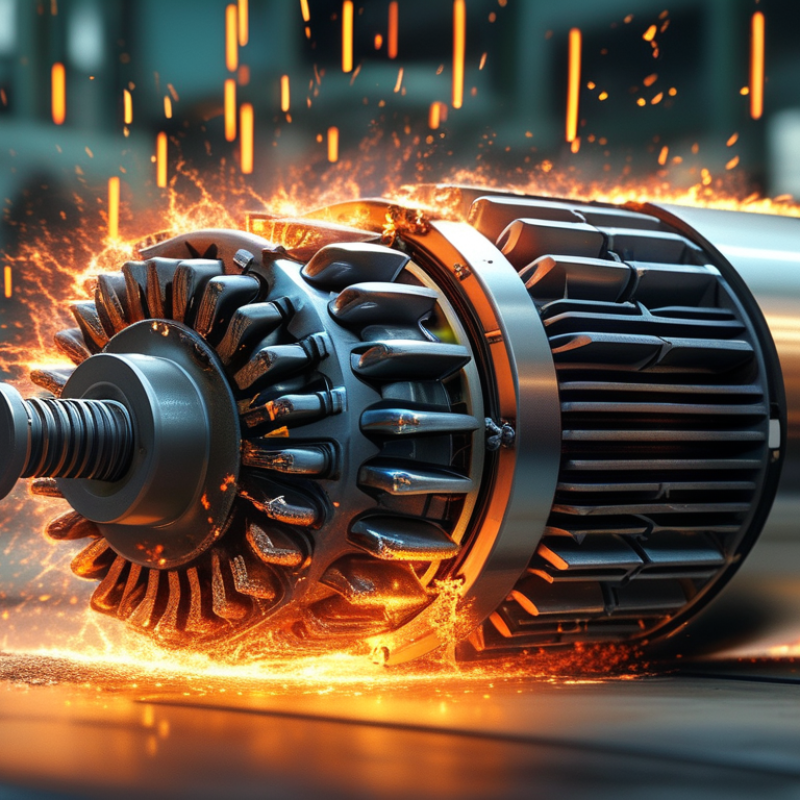
Synchronous motors operate based on the interaction between magnetic fields. When there is a high current draw, it can indicate underlying issues. One common reason is a mismatch between the motor and load requirements. If the load exceeds the motor's capabilities, it leads to increased current demand.
Another factor can be the supply voltage. A dip in voltage can cause the motor to draw more current to maintain performance. According to industry reports, a 10% drop in voltage can increase current draw by up to 15%. This highlights the importance of ensuring stable voltage supply during operation.
**Tips:** Regularly monitor voltage levels. Maintaining stable voltage can improve efficiency.
Overloading is often a neglected issue. Operators may overlook the rated load and continuously operate at higher levels. This practice can lead to overheating. A motor operating at temperatures above its limit for extended periods can shorten its lifespan significantly.
**Tips:** Implement routine inspections. This helps ensure that the motor is not operating beyond its rated capacity.
Understanding the intricacies of synchronous motor operation is crucial. Analyzing current draw patterns can provide insights into potential problems. Ultimately, addressing the root causes can optimize performance and extend the life of your motor.
This chart illustrates the current draw of a synchronous motor under various operating conditions. Monitoring current levels can help identify issues such as overloads, overheating, or potential component failures.
Synchronous motors are essential in many industrial applications. However, they can draw excessive current, which leads to inefficiencies and potential damage.
Understanding the common causes behind this issue can aid in effective troubleshooting.
One frequent reason for high current draw is an imbalance in the supply voltage. If one or more phases are lower than others, the motor will struggle and draw more current to compensate.
Poor power factor can amplify this effect, causing the motor to work hard without producing proportional output. Additionally, mechanical issues such as misalignment or excessive load can result in increased current draw.
These mechanical problems can be difficult to diagnose and often require close inspection.
Worn bearings or faulty winding insulation can also contribute to this issue. Insulation breakdown leads to short circuits within the windings, increasing the current draw significantly.
Recognizing the signs of excessive current draw early can prevent motor failure. Regular monitoring and maintenance are crucial. Inspecting connections and ensuring proper load is vital in running synchronous motors efficiently.
Failure to address these issues may result in costly repairs and downtime.
When assessing synchronous motors, load conditions play a crucial role in their current draw. High current levels often signal underlying issues. These issues might stem from an overloaded system. Elevated mechanical loads lead to increased current demand. As a result, the motor struggles to maintain speed and performance.
Another factor to consider is power factor. A low power factor indicates that the motor is not operating efficiently. This inefficiency can cause excessive current flow. It is vital to check if the motor is correctly sized for its applications. Misclassified loads, such as resistive or inductive, also contribute to current abnormalities.
Operating conditions must also be evaluated. Overheating can be a consequence of high current usage. This situation may damage the motor over time, leading to costly repairs. Regular inspections and load analysis are vital for prolonged motor life. Monitoring these factors can help maintain operational efficiency.
Synchronous motors are known for their efficiency and reliability. However, excessive current draw can be a common problem. This issue leads to overheating and can shorten the lifespan of the motor. According to industry reports, about 25% of electrical energy consumption comes from motor systems. Reducing current draw in synchronous motors is crucial for efficiency and cost savings.
To address high current draw, ensure proper alignment of the motor and load. Misalignment can cause unnecessary strain, leading to increased current usage. Check the voltage supply as well. A deviation of more than 10% from the rated voltage can result in higher current consumption. Regular maintenance practices, such as inspecting insulation and cleaning the windings, play a key role in maintaining optimal performance.
Tips: Monitor the motor’s operating temperature regularly. Excessively high temperatures may indicate an overload or internal fault. Additionally, installing a variable frequency drive (VFD) can help control current draw effectively. A VFD allows for better control of motor speed and torque, improving overall efficiency. Always keep an eye on the operational data and make necessary adjustments promptly.
Regular maintenance is crucial for synchronous motors to ensure they operate efficiently. According to industry data, nearly 30% of motor failures come from poor maintenance practices. A systematic approach to preventive measures can significantly enhance motor performance and reduce excessive current draw.
Monitoring motor temperature is essential. A rise in temperature beyond the recommended range can lead to overheating and increased current usage. Regular temperature checks can catch these issues early. Vibration analysis is another key tool. It helps identify misalignments or imbalances that may lead to current spikes. Implementing these checks can mitigate risks and improve longevity.
Insulation resistance testing is often overlooked but vital. Low insulation resistance can result in unwanted leakage currents. Reports suggest that up to 15% of electrical issues stem from insulation failures. Regularly assessing the insulation condition can prevent overheating and ensure stable operation. By incorporating these preventive measures, operators can maintain optimal performance levels and minimize the likelihood of excessive current draw. These practices foster a reliable and efficient motor system.
| Issue | Description | Preventive Measure | Recommended Action |
|---|---|---|---|
| Overloading | Motor is operating beyond its rated capacity. | Ensure load does not exceed motor specifications. | Measure and adjust the load as necessary. |
| Voltage Imbalance | Unequal voltage across phases affecting motor performance. | Regularly check and balance phase voltages. | Utilize a phase monitor to detect imbalances. |
| Insulation Breakdown | Deterioration of insulation leading to short circuits. | Conduct insulation resistance testing regularly. | Replace worn insulation materials promptly. |
| Incorrect Alignment | Misalignment of motor and driven load increases friction. | Ensure proper alignment during installation. | Use alignment tools for precise adjustments. |
| Environmental Factors | High ambient temperature or humidity affecting operation. | Maintain suitable operating conditions. | Install cooling systems if necessary. |
: Load conditions are critical. High mechanical loads can lead to increased current demands and performance issues.
A low power factor indicates inefficiency, which can cause excessive current flow. Proper sizing is essential.
Overheating can arise from high current use. This may damage the motor and lead to costly repairs over time.
Nearly 30% of motor failures are linked to poor maintenance practices.
Regular checks can identify rising temperatures early, preventing overheating and excessive current usage.
It helps detect misalignments or imbalances, which can cause current spikes and reduce efficiency.
Low insulation resistance can lead to leakage currents. Regular testing can prevent overheating and ensure stable operation.
Regular inspections are vital for maintaining motor life and operational efficiency.
Yes, misclassified loads like resistive or inductive can contribute to abnormal current flows.
Implement preventive measures like temperature checks and vibration analysis regularly to reduce risks.
In addressing the question of "why is my synchronous motor drawing too much current," it’s essential to first understand the operational principles of synchronous motors and their typical current draw patterns. Excessive current can often be traced back to several common issues, including improper load conditions, winding faults, or inadequate power supply. Each of these factors can significantly impact the overall efficiency and performance of the motor.
To mitigate excessive current draw, a thorough analysis of load conditions is critical. Addressing imbalances and ensuring the motor is properly sized for its application can help reduce strain. Furthermore, implementing effective solutions—such as optimizing the alignment, ensuring proper maintenance, and using protective devices—can enhance the motor's efficiency. Taking preventive measures can establish a solid foundation for maintaining optimal motor performance over its operational lifespan.
