Sweg Motor Sweg Motor

Top 10 Reasons Why a DC Gear Motor Loses Torque?

Time:2026-06-16 Author:Oliver
0%

Understanding why does a DC gear motor lose torque is crucial for anyone working with these components. Many factors can lead to a decrease in torque, impacting performance.

Lubrication is key. Insufficient or degraded lubricant can create friction, hindering motor efficiency. Another common issue is the wear of gears. Over time, gears may wear down, leading to slippage or misalignment. This impacts overall torque delivery.

Additionally, electrical supply variations can reduce torque. If the voltage fluctuates, the motor's power output will be inconsistent. Environmental factors, like temperature, can also play a role. Too much heat can alter motor performance. By examining these elements, we gain better insight into maintaining optimal motor performance.
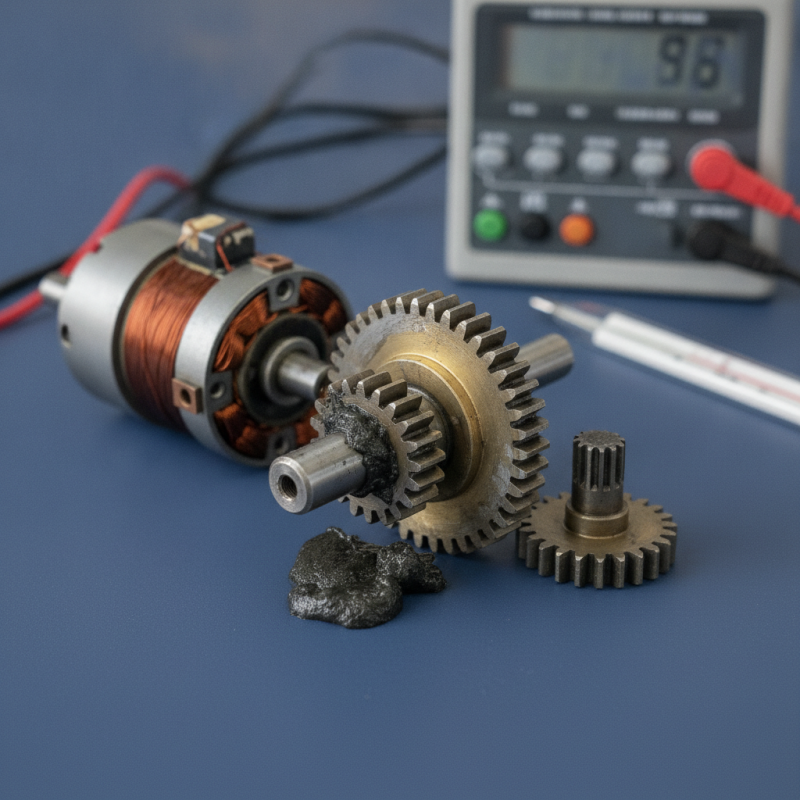
Top 10 Reasons Why a DC Gear Motor Loses Torque?

Understanding Torque Loss in DC Gear Motors

Torque loss in DC gear motors can significantly impact performance. Understanding the reasons behind this loss is crucial for effective troubleshooting. One common factor is gear wear. Over time, the teeth can wear down, reducing the effective torque transfer. This wear often stems from consistent operation under heavy load without proper lubrication.

Another factor is overheating. Excessive heat can alter the motor's characteristics. When a motor gets too hot, it can cause the components to expand, leading to interference and torque reduction. To prevent this, ensuring adequate cooling mechanisms is essential.

Electrical issues can also contribute to torque loss. Voltage drops can occur in the wiring, impacting the motor's ability to generate torque effectively. Inspecting the entire electrical system can reveal hidden problems.

Understanding these factors helps in diagnosing issues. Regular maintenance can mitigate many of these concerns. However, each motor is unique, and challenges may arise that require deeper investigation. It's important to keep an open mind and be ready for unexpected findings.

Common Mechanical Issues Leading to Torque Reduction

DC gear motors are essential in various applications, often susceptible to mechanical issues that result in torque loss. One common factor is gear wear. Over time, gears can grind down due to friction, leading to reduced efficiency and torque output. A study published by the International Journal of Mechanical Engineering highlights that worn gears can decrease torque by up to 30%, significantly affecting performance.

Another mechanical issue is misalignment. When components are not correctly aligned, it puts unnecessary stress on the motor. This misalignment can result in noise, heating, and torque loss. A survey from the National Electrical Manufacturers Association reported that improper alignment accounts for nearly 25% of motor failures in industrial settings. Regular maintenance and alignment checks are critical to avoid this.

**Tips:** Regular lubrication can help reduce gear wear. Ensure that you check the lubrication intervals according to the manufacturer’s specifications. It may seem tedious, but it can save money in the long run.

Identifying the root cause of torque loss is complex. Factors like load changes and environmental conditions also play a role. Sometimes, even minor adjustments can lead to significant improvements. Employing precise torque measurement tools can offer better insight into the motor's health. Doing so can help in understanding and mitigating issues before they escalate.

Top 10 Reasons Why a DC Gear Motor Loses Torque

This chart illustrates the percentage of torque loss caused by various common mechanical issues faced by DC gear motors. Overheating is the leading cause, contributing to a significant 25% torque loss, while contamination affects torque the least with only a 4% reduction.

Electrical Factors Affecting DC Gear Motor Performance

Electricity is pivotal to the performance of DC gear motors. Variations in voltage can significantly impact torque output. For instance, a 10% drop in voltage can lead to up to a 30% reduction in torque. This is crucial in applications requiring high precision and consistency.

Another factor is current. Insufficient current can hinder motor efficiency. According to a study, motors running under optimal current levels can lose up to 60% of their intended torque. This affects both the speed and reliability of operations. Additionally, overheating due to excessive current can cause irreversible damage to the insulation and components, making it vital to monitor current levels closely.

Furthermore, wiring connections play a role in torque loss. Poor connections can increase resistance, leading to energy dissipation. This can diminish overall motor performance. Understanding these electrical factors is essential for maintaining the efficiency and reliability of DC gear motors in various applications. Effective monitoring and management strategies are key to mitigating these issues and enhancing performance stability.

Impact of Load conditions on Torque Efficiency in DC Motors

DC gear motors are essential in many applications, but their torque efficiency can be significantly impacted by load conditions. According to industry reports, varying the load can result in up to a 30% decrease in torque output. This decline occurs because the motor must work harder to maintain speed under increased load, leading to higher current draw and heat generation.

When a DC motor operates close to its maximum rated load, it experiences increased wear and tear. Data indicates that prolonged operation under high load can shorten motor lifespan by 20% to 40%. Flexibility in load management is crucial. Under fluctuating load conditions, motors may struggle to deliver consistent torque, resulting in potential system failures.

Additionally, inefficiencies often arise from poor load alignment. Misalignment can lead to abrupt changes in the torque curve, complicating performance. Engineers often overlook these factors during the design phase, leading to inefficiencies that could be avoided. Regular monitoring of load conditions and operational environments is necessary for optimal performance. An understanding of these dynamics is essential for enhancing efficiency and reliability in DC gear motor applications.

Wear and Tear: How Aging Components Contribute to Torque Loss

Aging components significantly contribute to torque loss in DC gear motors. Over time, gears, bearings, and windings experience wear and tear. This degradation impacts the motor's efficiency and power delivery. A study by the Electric Power Research Institute found that mechanical failures account for nearly 30% of motor downtime.

As components age, friction increases, causing a reduction in torque transmission. This is often noticeable in high-load applications. Bearings may develop wear patterns that increase resistance. According to the National Electrical Manufacturers Association, a worn bearing can reduce torque capacity by as much as 20%. The precision required for optimal performance diminishes as these parts degrade.

Aside from mechanical wear, insulation in windings can deteriorate. This insulation breakdown reduces electrical efficiency, leading to further torque loss. The American Society of Mechanical Engineers highlights that such degradation can result in a 15% decrease in performance. Recognizing these issues early can prevent extensive damage and prolonged downtime. Regular maintenance can help mitigate some of these effects, though it cannot completely stop the aging process.

Top 10 Reasons Why a DC Gear Motor Loses Torque

Reason Description Impact (%) Mitigation
Wear and Tear Aging components lead to decreased effectiveness and mechanical failures. 30% Regular maintenance and timely replacements.
Lubrication Issues Insufficient or degraded lubricant increases friction. 25% Regularly check and replace lubricants.
Electrical Failures Issues with the power supply can affect torque output. 20% Monitor electrical connections and use quality power sources.
Overloading Exceeding the motor's rated load reduces torque capacity. 15% Implement load monitoring systems and overload limits.
Thermal Damage Excessive heat can cause insulation breakdown and component deformity. 10% Ensure proper cooling and thermal management solutions.
Bearing Failures Worn out bearings can cause misalignment and increased friction. 12% Regularly inspect and replace bearings as needed.
Corrosion Rust and corrosion on components can inhibit movement. 9% Use anti-corrosive materials and protective coatings.
Electrical Noise Interference from other electrical devices can cause torque variability. 6% Use shielding and grounding techniques.
Inadequate Design Poorly designed motor can lead to inefficiencies and torque loss. 5% Ensure proper design considerations during development.

FAQS

: How does voltage affect a DC gear motor's performance?

: A 10% drop in voltage can reduce torque by up to 30%. This is crucial for precision tasks.

What happens if current is insufficient?

Insufficient current can lead to a loss of up to 60% in intended torque. Efficiency suffers greatly.

How does overheating affect a DC motor?

Excessive current can cause overheating, damaging insulation and components. Monitoring current is vital for safety.

What role do wiring connections play in motor performance?

Poor wiring connections increase resistance, leading to energy loss. This reduces overall motor efficiency.

How do load conditions impact torque efficiency?

Changing load conditions can cause up to a 30% decrease in torque output. This affects speed and reliability.

What is the consequence of operating a motor near maximum load?

Operating close to maximum load increases wear. It can shorten motor lifespan by 20% to 40%.

Why is load alignment important?

Poor load alignment can cause abrupt changes in torque. This complicates performance and can lead to inefficiencies.

How often should load conditions be monitored?

Regular monitoring of load conditions is necessary. This helps ensure optimal performance and reliability.

What can be done to manage fluctuating load conditions?

Flexibility in load management is crucial. It helps maintain consistent torque and prevents system failures.

Why do engineers sometimes overlook load factors?

These factors can be complex and are often underestimated in the design phase. This can lead to inefficiencies.

Conclusion

In exploring the question of why does a DC gear motor lose torque, it's essential to understand the various factors that contribute to this issue. Torque loss can stem from common mechanical problems such as misalignments, wear on gears, and insufficient lubrication, which can hinder performance. Additionally, electrical factors like voltage fluctuations or poor connections can significantly impact a motor's efficiency, further exacerbating torque reduction.

Load conditions also play a critical role in torque efficiency, as motors experience varying demands based on the weight and type of load they are driving. Moreover, the aging of components leads to deterioration over time, causing further torque loss due to increased friction and wear. By identifying and addressing these mechanical, electrical, and operational factors, we can better understand and mitigate torque loss in DC gear motors.

Oliver

Oliver

Oliver is a seasoned marketing professional with a wealth of expertise in driving brand awareness and engagement. With a deep understanding of our company's product offerings, he consistently delivers high-quality content that enriches our professional blog. His insights not only shed light on......