Sweg Motor
Brushless motors are popular in various applications, from drones to electric vehicles. However, users often encounter a frustrating issue known as stuttering. Understanding what causes a brushless motor to stutter is crucial for effective troubleshooting.
Many factors contribute to this problem. An insufficient power supply or incorrect ESC settings can lead to erratic behavior. Faulty wiring or poor connections often amplify these issues. Users may overlook the importance of proper calibration. The signs of stuttering can significantly impact performance and efficiency.
This article aims to shed light on these causes and provide practical solutions. By understanding the mechanics behind stuttering, users can take corrective steps. A reliable brushless motor can enhance performance in any application. Addressing stuttering is essential for optimal operation.
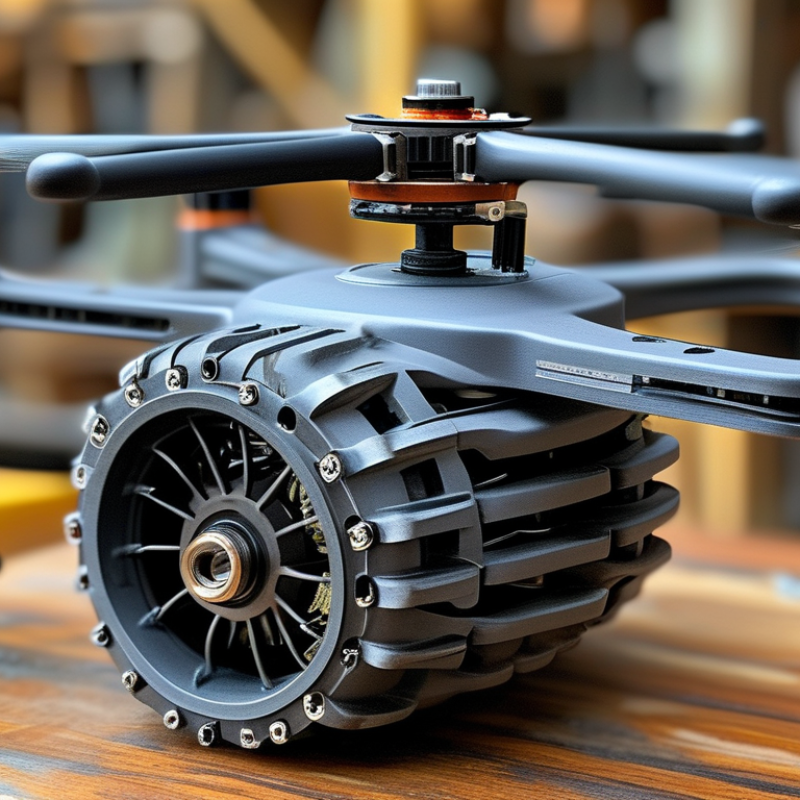
Brushless motor stuttering is a prevalent issue that impacts performance efficiency in various applications. Understanding the root causes is crucial for effective resolutions. One significant factor is improper electronic speed controller (ESC) calibration. According to industry studies, incorrect ESC settings can lead to inconsistent throttle response. This misalignment can make motors stutter or hesitate under load, compromising their reliability.
Another common contributor is insufficient power supply. Data indicates that voltage drops of more than 10% can lead to stuttering. When the motor does not receive adequate voltage, it struggles to operate smoothly. It's vital to ensure that battery capacity meets the motor's demands. Additionally, environmental conditions can amplify this issue. For instance, high ambient temperatures may affect the motor's efficiency, further increasing the likelihood of stuttering.
Lastly, mechanical issues, such as misalignment or bearing failure, can also cause stuttering. Regular maintenance can often prevent these problems, but many users overlook this. Recognizing these signs early can save time and improve overall system performance. Regular checks should be a standard practice to ensure optimal motor function.
| Issue | Cause | Symptoms | Potential Fixes |
|---|---|---|---|
| Motor Stuttering | Insufficient power supply | Irregular or jerky motion | Increase voltage to motor |
| Brushless Motor Hesitation | Incorrect ESC settings | Delayed response | Recalibrate the ESC |
| Inconsistent Speed | Low battery charge | Speed fluctuations | Charge or replace the battery |
| Overheating | Poor ventilation | Motor shutting down | Improve airflow or cooling |
| Vibration | Misaligned shaft | Unusual noise and shaking | Realign the motor shaft |
Brushless motor stuttering can arise from various factors, affecting performance and reliability. One primary cause is poor voltage regulation. Inconsistent power supply often leads to abrupt changes in current. According to a study from the International Journal of Electrical Engineering, nearly 25% of brushless motor failures can be traced back to inadequate voltage stability. This stuttering can manifest as skipping or hesitation during operation, which is frustrating for users relying on precision.
Another common factor is the motor's controller calibration. Incorrect settings can lead to unsynchronized operation. For instance, an analysis by the IEEE states that misconfigured parameters play a role in 30% of stuttering incidents. Fine-tuning the controller settings can reduce these issues. However, achieving the right balance can be challenging. Operators often face the dilemma of over-adjusting, leading to further instability in motor performance.
Additionally, the quality of connections and wiring can impact motor functionality. Bad connections can introduce resistance, causing inconsistent behavior. One report from the Mechanical Systems and Signal Processing journal noted that 20% of motor issues are linked to connection faults. Maintaining clean and secure wiring is essential, though it can be tedious. Regularly inspecting and upgrading components is necessary for reliable operation, though many users overlook this aspect.
Brushless motors have become integral in various applications, from drones to electric vehicles. However, motor stuttering can severely impact performance. Recognizing the symptoms and signs of this issue is crucial for users. Often, you may notice jerky movement, inconsistent power delivery, or unusual noises. These indicators suggest an underlying problem that may need immediate attention.
Several factors can contribute to brushless motor stuttering. One common cause is poor electrical connections. A loose or damaged wire can disrupt power flow, leading to erratic performance. Another factor is incorrect PPM signal settings, often resulting from miscalibrated controllers. Moreover, mechanical issues like misalignment can exacerbate the problem, causing uneven torque distribution.
Tips: Regularly inspect connections. Look for frayed wires or loose plugs. Additionally, ensure that your speed controller is calibrated correctly. Use reliable software to set your PPM signals accurately. Staying proactive can help avoid further complications.
Overheating is also a concern. Motors running at high temperatures may exhibit stuttering. Monitoring temperature with sensors can provide valuable insights. Users should also be wary of debris or dust accumulation. It can hinder motor function, resulting in stuttering. Taking these factors into account is vital for maintaining a smooth operational flow in brushless motors.
Brushless motors are popular for their efficiency and reliability. However, they can sometimes experience stuttering, which affects performance. Identifying the root cause is crucial to fixing the issue.
One common reason for stuttering is improper calibration. Ensuring the motor is correctly calibrated can resolve this. Check the ESC settings to confirm they match the motor specifications. Incorrect settings can lead to power delivery problems and erratic behavior during operation.
Another factor could be inadequate power supply. A weak battery may cause stuttering. Make sure to use a fully charged battery that meets the motor's voltage requirements. If the battery is damaged, replace it with a new one.
**Tips:** Regularly clean the motor and remove any debris. This can improve efficiency and reduce the chances of stuttering. Additionally, tighter connections can lower resistance, providing more consistent power.
Lastly, examine the wiring for any signs of wear or damage. Frayed wires can lead to intermittent power loss, contributing to stuttering. Address any visible issues immediately for better performance.
Brushless motor stuttering can happen for several reasons, but preventing it is crucial. One major factor is incorrect sensor alignment. Misaligned sensors can cause irregular feedback to the motor controller, leading to stuttering. According to industry data, about 30% of motor performance issues stem from this misalignment.
To avoid future stuttering, regular maintenance is key. Check the motor's sensors every few weeks. Ensure they are clean and properly positioned. Dust and debris can accumulate, causing miscommunication.
Tips: Use compressed air to clean sensors gently. This simple step can enhance motor performance significantly.
Another preventative measure involves monitoring the power supply. Voltage fluctuations can cause inconsistent performance. Reports indicate that stable voltage levels are essential for smooth operation. Ensuring a stable power source can mitigate stuttering issues.
Tips: Invest in a quality power supply unit. This can greatly reduce the risk of performance problems. Always review power connections for wear or damage.
: Stuttering can result from poor voltage regulation, incorrect controller calibration, and bad electrical connections.
Inconsistent voltage leads to abrupt current changes, causing skipping or hesitation during operation.
Common signs include jerky movement, inconsistent power delivery, and unusual noises.
Proper calibration is essential. Incorrect settings can cause unsynchronized operation and power delivery issues.
Inspect for frayed wires or loose plugs. Maintain secure and clean connections to avoid performance issues.
Yes, motors that run too hot may exhibit stuttering. Monitor temperatures to prevent this.
Regularly clean the motor, check calibration, and ensure tight connections. Stay proactive and inspect components often.
A weak or damaged battery can lead to stuttering. Always use fully charged batteries that meet voltage requirements.
Immediately replace frayed or damaged wires. This can prevent intermittent power loss and improve performance.
Fine-tuning requires careful adjustments. Test the motor after each change to ensure stability before making more adjustments.
Brushless motor stuttering is a common issue that can disrupt the performance of various applications, and understanding what causes a brushless motor to stutter is crucial for effective troubleshooting. The phenomenon can arise from several factors, including poor connections, inadequate power supply, or internal mechanical problems. Symptoms often include irregular operation, unexpected speed fluctuations, or complete motor failure.
To address motor stuttering, it's important to follow systematic troubleshooting steps, such as inspecting electrical connections, checking for proper voltage, and ensuring that the motor is free from physical obstructions. Additionally, implementing preventative measures like regular maintenance and monitoring can help avoid future occurrences of stuttering in brushless motors. By understanding the underlying causes and taking proactive steps, users can ensure smooth and reliable motor performance.
