Sweg Motor
If you're wondering why is my BLDC motor overheating, you are not alone. Many users face this challenge with brushless DC motors. Overheating can indicate various underlying issues that may jeopardize the performance and life of your motor. Understanding the root causes can lead to effective solutions.
Several factors contribute to overheating in BLDC motors. Poor ventilation, excessive load, and improper wiring are common culprits. Even minor errors in configuration can lead to significant heat buildup. Also, inadequate heat dissipation mechanisms might exacerbate the issue. Monitoring these aspects is crucial for optimal motor performance.
Addressing overheating starts with proper assessment. First, examine the motor's environment and load conditions. Check for any obstructions to airflow. Awareness of your specific application's demands also matters. Reflecting on these factors can guide you towards effective remediation strategies. Overheating can be managed; understanding its causes is the first step.
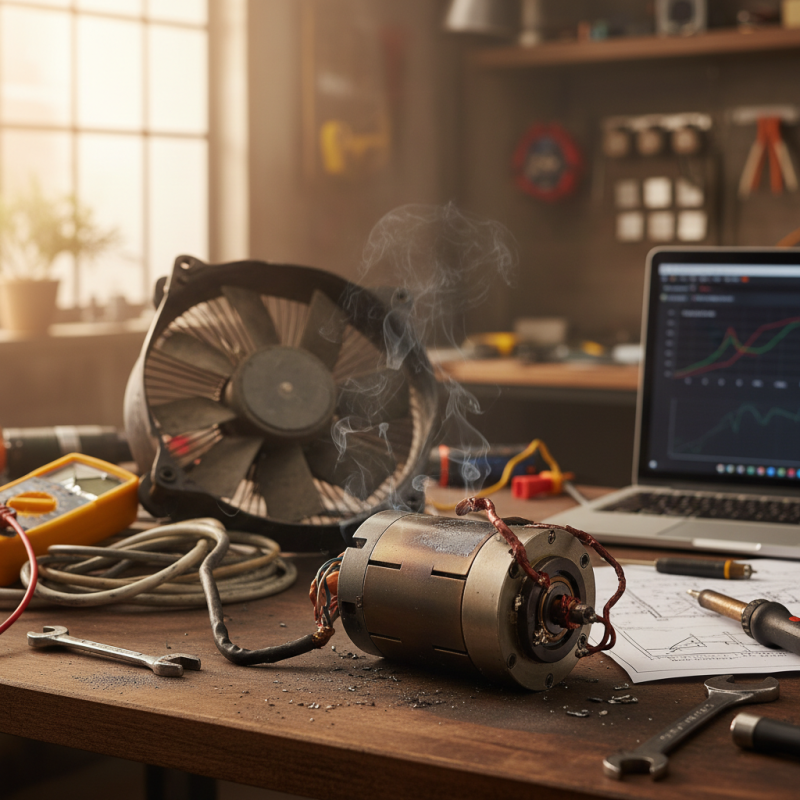
Understanding BLDC motors begins with their construction. These motors utilize an array of permanent magnets and electronic controllers. Unlike brushed motors, BLDC motors have no brushes to wear down. This design leads to greater efficiency. However, this efficiency relies heavily on managing heat. Overheating can arise from various operational factors.
One common cause is poor ventilation. Limited airflow around the motor can trap heat. Additionally, improperly sized motors may draw more current than necessary. This excess current generates heat. Another factor can be the quality of the power supply. An unstable voltage can force the motor to work harder, resulting in increased temperatures. Even the motor’s duty cycle affects its temperature. Continuous operation at high power levels can lead to overheating.
Maintaining proper operating conditions is essential. Regularly check for dust and debris that can hinder airflow. Ensure that the motor is matched correctly to the application to prevent overload. Using temperature sensors can help monitor heat levels in real-time. This proactive approach enables quicker interventions to prevent damage. Addressing these issues may require hard lessons learned from past experiences.
Overheating in BLDC motors can stem from various common causes. One primary factor is excessive current draw, often caused by improper load conditions. If the motor is working harder than intended, it generates more heat. This situation may occur due to mechanical binding or when the motor is undersized for its application.
Another reason for overheating can be inadequate ventilation. BLDC motors rely on airflow for cooling. If they are enclosed in tight spaces, the heat cannot dissipate effectively. Dust accumulation around the motor can also obstruct airflow. Regular maintenance and cleaning are necessary to maintain proper airflow levels.
Additionally, a poor connection in the wiring can lead to resistance, causing heat buildup. Over time, frayed or loose connections contribute to overheating issues. Using higher-quality connectors can mitigate this risk. Frequent checks of the motor's connections are essential in preventing overheating and ensuring longer motor life.
Environmental factors significantly influence the heating of Brushless DC (BLDC) motors. High ambient temperatures can lead to increased thermal stress on motor components. Reports suggest that a rise of just 10°C in ambient temperature may reduce motor efficiency by around 1%. Poor ventilation worsens the situation, trapping heat in confined spaces.
Humidity also plays a crucial role. High humidity can lead to condensation within the motor, which affects insulation and may increase the risk of short circuits. One study indicated that moisture levels exceeding 70% could reduce the lifespan of motor windings significantly. Dust and other contaminants can obstruct airflow and lead to excessive buildup of heat.
It is essential to consider the mounting conditions of the motor. Improper alignment can raise operational temperatures, necessitating careful installation and routine checks. Ignoring these factors can result in premature wear and unexpected failures. Designing motors with the environmental context in mind can mitigate these risks. Understanding these dynamics aids in creating more reliable systems.
Overheating is a common issue with BLDC motors. This can lead to decreased efficiency and a shorter lifespan. Multiple factors contribute to this problem. One major cause is inadequate cooling. If your motor operates in a confined space, airflow may be limited. Ensure there's proper ventilation around the motor.
Another factor to consider is the load. Excessive load can push the motor beyond its limits. This generates more heat than it can dissipate. It's crucial to monitor the load regularly. Calibrating the motor to match the intended application can help. Reducing the load can also be effective in minimizing overheating.
Controlling the voltage supply is essential to prevent overheating. High voltage can increase the motor speed, leading to excess heat. Using a voltage regulator can help maintain stable power. Additionally, regular maintenance checks on bearings and lubricants can improve performance. This will help in identifying potential issues before they escalate. Regular updates and insights into how your specific motor operates can enhance its reliability.
Routine maintenance is essential for managing the temperature of BLDC motors effectively. Regularly checking the motor's ventilation system can prevent overheating. Dust and debris can clog air vents. Cleaning these areas helps maintain optimal airflow. Ensure that the motor is free from obstructions. Even small blockages can cause significant temperature rise.
Another crucial aspect is monitoring the motor's operating environment. High ambient temperatures can contribute to overheating. If your motor operates in a confined space, consider adding cooling fans. Placement of the motor also matters. Positioning it away from heat sources can significantly reduce temperature issues.
Routine inspection of wiring and connections is vital. Frayed wires can generate excess heat. Tightening loose connections helps prevent energy loss. But remember, regular checks can sometimes lead to overlooked problems. Addressing these issues proactively can extend motor life and improve performance. Keeping an eye on temperature readings will provide insights for necessary adjustments. Consistency in maintenance ensures a reliable operation.
| Cause | Description | Solution | Maintenance Tip |
|---|---|---|---|
| Excessive Load | Motor is running beyond its rated capacity. | Reduce the load or upgrade to a more powerful motor. | Regularly review load requirements. |
| Poor Ventilation | Insufficient airflow around the motor. | Ensure proper ventilation or cooling fan installation. | Keep surrounding area clear of obstructions. |
| Inadequate Lubrication | Lack of lubrication can increase friction. | Apply appropriate lubricant regularly. | Establish a lubrication schedule. |
| Electrical Issues | Short circuits or poor connections causing overheating. | Inspect and repair electrical connections. | Regularly check for loose or damaged cables. |
| Improper Mounting | Vibration or misalignment causing excessive wear. | Ensure proper alignment and secure mounting. | Inspect mounting regularly as part of maintenance. |
: BLDC motors have permanent magnets and electronic controllers. They do not use brushes, enhancing efficiency.
Overheating decreases efficiency and shortens the motor's lifespan. It's a critical issue to address promptly.
Poor ventilation, excessive load, and unstable voltage can all lead to overheating. Each factor needs careful management.
Ensuring sufficient airflow around the motor allows heat to dissipate. Cleaning air vents from dust and debris is essential.
Excessive load can lead the motor to generate more heat than it can handle. Regular checks help prevent this issue.
High voltage can increase speed and heat. Using a voltage regulator ensures stable power supply to avoid overheating.
Regularly inspect ventilation systems and clean blockages. Check wiring for frays and maintain connections to prevent overheating.
High ambient temperatures can worsen overheating. Keeping motors away from heat sources can be beneficial.
Temperature sensors provide real-time monitoring. They help in early detection of overheating issues, allowing quick action.
Overlooking small blockages or frayed wires can lead to significant issues. Regular checks are vital for reliable performance.
The article "Why is My BLDC Motor Overheating: Solutions and Causes?" explores the fundamental principles of Brushless DC (BLDC) motors, helping readers understand their operation and common challenges. It identifies various reasons why BLDC motors may overheat, including electrical issues, mechanical friction, and improper ventilation. Additionally, the impact of environmental factors, such as high ambient temperatures and humidity, is discussed as a significant contributor to overheating.
To address the problem of overheating, the article provides effective solutions, including optimizing load conditions and improving cooling systems. It emphasizes the importance of routine maintenance to monitor the temperature and performance of BLDC motors, ensuring they operate efficiently. By following these guidelines, users can better answer the question, "why is my BLDC motor overheating," and implement strategies to prevent potential failures.
