Sweg Motor
In the realm of gear motors, noise reduction is a significant concern. Planetary gear motors, known for their efficiency and compact design, often struggle with unwanted noise. Industry expert Dr. John Smith once stated, "Reducing noise in a planetary gear motor can enhance performance and user satisfaction." Understanding how to reduce noise in a planetary gear motor is crucial for designers and manufacturers.
Noise in these motors often arises from various sources, including gear meshing and vibration. Choosing high-quality materials and precise manufacturing techniques can significantly impact noise levels. Regular maintenance and lubrication are also essential, but many overlook this aspect. Identifying the right design and load conditions is vital.
Engineers must consider both theoretical and practical approaches. Despite advancements, no solution is perfect. Each method requires evaluation and testing to find the best fit for specific applications. Focusing on noise reduction not only improves functionality but also enhances the overall user experience.
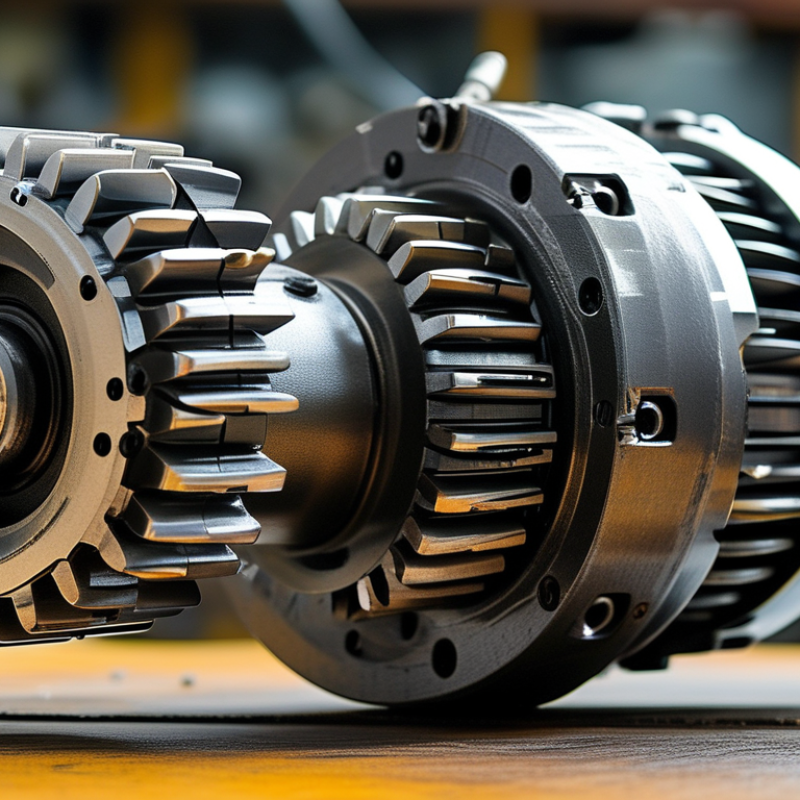
Noise in planetary gear motors can stem from various sources. Understanding these sources is crucial. Common contributors include gear meshing, bearing vibrations, and motor torque fluctuations. According to a study by the American Society of Mechanical Engineers, gear meshing accounts for around 50% of operational noise in these motors. This highlights the importance of precision in manufacturing and maintenance.
To reduce noise, consider frequent inspections. Regularly checking gear alignment and lubrication can mitigate excessive wear and tear. Ensure that lubrication systems are functioning optimally. Over-lubrication may also lead to issues. It's vital to find a balance.
Another effective tip involves selecting the right materials. Materials with better shock absorption can decrease noise transmission. For instance, using composite or advanced polymer gear materials can significantly improve performance. Keep in mind that while these solutions help, perfect silence is unattainable. Continuous monitoring and adjustments can lead to noticeable improvements.
| Method | Description | Effectiveness | Cost |
|---|---|---|---|
| Lubrication | Use appropriate lubricants to minimize friction and noise. | High | Low |
| Damping Materials | Incorporate damping materials to absorb vibrations. | Medium | Medium |
| Gear Design Optimization | Change gear tooth profiles to reduce impact noise. | High | High |
| Operational Speed Control | Reduce operational speed to lessen noise generation. | Medium | Low |
| Isolation Mounts | Use isolation mounts to prevent sound transmission. | High | Medium |
Noise reduction in planetary gear motors is crucial for numerous applications. One effective way to achieve this is by focusing on gear design. A well-designed gear profile reduces vibration and misalignment, which are major noise sources. Opting for optimized tooth geometries can lead to smoother operation. This design change improves efficiency and minimizes acoustic emissions.
Material choice is equally important. Using materials with superior damping properties can absorb vibrations, leading to quieter operation. Advanced composites or specially treated metals are often effective. These materials can reduce the transmission of sound waves, lessening overall noise output. It's essential to consider the trade-offs of weight and cost when selecting materials, as high-performance options can sometimes be more expensive.
Testing and prototyping different combinations of designs and materials is vital. Real-world performance can differ from theoretical advantages. Iterative testing often reveals unexpected challenges, such as excess weight or durability issues. Engaging in this trial-and-error process is necessary to achieve optimal results for noise reduction. With careful attention and continued refinement, significant noise reductions can be realized in planetary gear motors.
In planetary gear motors, noise reduction is crucial for enhancing performance. Effective lubrication techniques play a vital role. Proper lubrication reduces friction, which is a primary noise source. According to industry reports, friction can account for up to 80% of energy loss in gear systems. This loss often translates to increased noise levels.
Choosing the right lubricant can significantly impact noise. For instance, synthetic oils tend to perform better under high pressures. They maintain viscosity, ensuring components operate smoothly. An improperly lubricated system may suffer from wear and gear backlash, leading to increased noise. Regular maintenance is essential. Studies suggest that 40% of motor failures relate to inadequate lubrication practices.
Implementing a systematic lubrication approach can yield noticeable improvements. For instance, the introduction of automatic lubrication systems can ensure consistent application. Even small changes, like selecting a lubricant with anti-wear additives, can make a difference. Still, each application is unique. Testing various lubricants may reveal what works best in a specific setup. The stakes are high; poor lubrication can lead to failure and significant downtime.
This chart illustrates the effectiveness of various techniques for reducing noise in planetary gear motors. Effective lubrication stands out as the most impactful method, while regular maintenance shows a lower noise reduction impact.
Optimizing load distribution is crucial for reducing noise in planetary gear motors. Proper alignment of the gears can significantly lower the friction between meshing surfaces. When gears are misaligned, they create uneven pressure points. This leads to vibrations and excessive noise. Ensuring even load distribution helps in mitigating these issues.
The quality of materials plays a significant role in noise reduction. Using high-grade metals and advanced coatings can minimize wear and tear. However, it is important to recognize that not all noise sources are mechanical. Environmental factors, like temperature fluctuations, also impact motor performance. Regular maintenance is essential to identify these nuances. Classic mistakes often include overlooking proper lubrication, which adds to friction and noise.
Investing in vibration dampeners can enhance overall performance. While they reduce noise, they may require additional space, complicating the design. Balancing efficiency with noise reduction demands innovative solutions. Designers must constantly reflect on these trade-offs. Finding the sweet spot between performance and quiet operation is an ongoing challenge that requires expertise and thoughtful consideration.
When dealing with planetary gear motors, noise can be a significant concern. Implementing vibration isolation strategies is essential to manage this issue effectively. Vibration isolation involves using materials or systems that absorb or dampen vibrations, thereby reducing noise levels. Commonly used materials, such as rubber mounts and isolators, play a critical role in minimizing vibrations. These materials can be installed between the motor and its mounting surface. This setup helps absorb the energetic frequencies generated during operation.
Additionally, frequency tuning is another effective method. By adjusting the mounting of the motor, one can change the frequency at which vibrations occur. It may seem simple, but minor adjustments can lead to noticeable changes in noise output. Professional assessment of the vibration profile is crucial for optimal results. Implementing these strategies may require some trial and error, as the right configuration can differ from one application to another.
However, it's vital to remember that complete noise elimination is rarely possible. Even with the best isolation strategies, some noise will persist. Understanding the specific requirements of your setup is essential. This knowledge can guide you toward achieving a more balanced and quieter operation. Troubleshooting and iterative improvements will lead to more effective solutions over time.
: Noise mainly comes from gear meshing, bearing vibrations, and motor torque fluctuations.
Gear meshing accounts for about 50% of operational noise. Precision in manufacturing is crucial.
Regular inspections of gear alignment and lubrication can greatly decrease wear and noise.
Proper lubrication reduces friction, a major noise source. Inadequate lubrication can lead to increased noise.
Using materials with better shock absorption, such as advanced polymers, can lower noise transmission significantly.
Yes, automatic systems ensure consistent lubrication, which is key for minimizing noise and preventing wear.
These strategies absorb vibrations, thereby reducing noise. Common materials include rubber mounts and isolators.
No, some noise will always be present. However, effective strategies can lead to quieter operations.
Adjusting the motor's mounting can change vibration frequencies, leading to reduced noise output.
Testing various lubricants in your specific setup is crucial. Each application may require different solutions.
This article explores effective strategies on how to reduce noise in a planetary gear motor by addressing the core elements contributing to mechanical noise. It begins by understanding the various sources of noise, including gear design and material selection, which play crucial roles in sound generation. By carefully evaluating these factors, one can select optimal gear designs and materials to minimize noise output.
Furthermore, the article emphasizes the importance of effective lubrication techniques to reduce friction, which is a significant source of noise in gear operations. It also discusses the optimization of load distribution, enabling quieter gear performance, and highlights vibration isolation strategies that can further dampen noise. These multifaceted approaches provide a comprehensive guide for engineers and technicians aiming to enhance the operational efficiency and quietness of planetary gear motors.
